
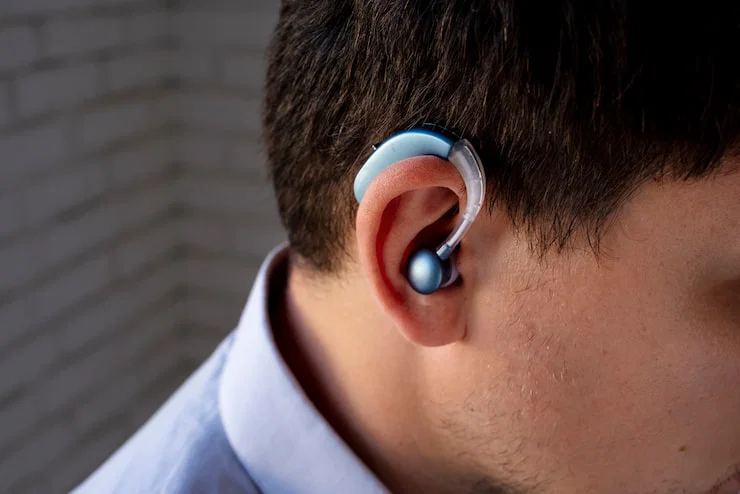
If you’re struggling to follow conversations, turning the TV up too loud, or asking people to repeat themselves, you’re not alone. Around 12 million adults in the UK live with some level of hearing loss. The good news is that today’s hearing aids are smaller, smarter and better at handling noisy places than ever before.
This guide brings together independent research and clinical know-how to help you find the best hearing aids for your needs and your budget. We compare the top models on the market in 2026, explain what the features actually mean and walk you through NHS versus private options so you can make a confident choice.
Quick answer: For most people with mild to severe hearing loss, a rechargeable receiver-in-canal (RIC) hearing aid with AI-powered noise reduction and Bluetooth streaming offers the best all-round performance in 2026. Leading options include the Oticon Intent, Phonak Infinio, ReSound Vivia and Widex Allure ranges. Prices for private hearing aids typically run from £500 to £3,500+ per ear, while NHS hearing aids are free for anyone assessed as needing them.
How we reviewed these hearing aids
This guide is based on published clinical specifications, manufacturer data and independent audiologist commentary gathered from across the UK hearing care sector. We looked at real-world performance in noisy environments, comfort, battery life, connectivity and value for money, rather than simply listing every model on the market.
Advances in AI-driven sound processing and app-based fine-tuning mean the best hearing aids in 2026 can adapt automatically to changing environments in real time, something that simply wasn’t possible a few years ago.
We are independent of any single hearing aid manufacturer. That means we have no reason to push one brand over another and our recommendations are based on what suits different lifestyles and budgets, not sales targets. As with any health decision, always get a proper hearing test from a registered audiologist before choosing a device. This article is for general guidance and does not replace individual clinical advice.
NHS vs. private hearing aids: what's the difference?
Before comparing specific models, it helps to understand your two main routes to getting hearing aids in the UK.
NHS hearing aids are free for anyone whose hearing assessment shows they would benefit from one. You’ll need a referral from your GP, or in some areas you can self-refer to a local NHS-approved provider such as Specsavers. NHS hearing aids are usually behind-the-ear (BTE) digital devices. They come with free batteries, repairs and aftercare. The main downsides are longer waiting times, often several weeks to a few months and a smaller choice of styles and features compared with private options.
Private hearing aids cost more, typically £500 to £3,500 or more per ear, but they open up a much wider range of styles, including nearly invisible in-the-canal designs, rechargeable batteries, Bluetooth streaming and advanced AI noise reduction. You’ll also get faster appointments and often more time with your audiologist for fine-tuning.
There’s no wrong answer here. Many people start with NHS hearing aids and find them perfectly satisfactory. Others prefer to go private for the extra choice and quicker service. If you already have NHS hearing aids and want to upgrade, you can do so privately at any time, though you’ll usually lose access to free NHS repairs once you switch.
Which hearing aid suits your level of hearing loss?
Choosing the best hearing aids isn’t just about brand or price; it’s about matching the device to how much hearing loss you actually have. A style that works beautifully for mild hearing loss may not have enough power for severe loss and vice versa. Here’s how audiologists typically match hearing aid types to each level.
Mild hearing loss
If you’re mainly struggling to hear quiet voices, follow conversations in background noise, or catch high-pitched sounds, you likely have mild hearing loss. In-the-canal (ITC), completely-in-canal (CIC) and open-fit receiver-in-canal (RIC) hearing aids work well here, as they’re discreet and don’t need heavy amplification. Self-fit OTC hearing aids can also be a reasonable starting point at this level, though a proper hearing test is still the best way to confirm what you need.
Good options: Signia Silk IX, Oticon Zeal and self-fit OTC devices.
Moderate hearing loss
At this stage, you’ll likely need people to repeat themselves regularly, find phone calls harder to follow and struggle in group settings or restaurants. Receiver-in-canal (RIC) hearing aids are the most common fit for moderate hearing loss, offering a good balance of discretion and amplification power, along with AI noise reduction and Bluetooth streaming.
Good options: Oticon Intent, Phonak Infinio Sphere and ReSound Vivia.
Severe hearing loss
Severe hearing loss means missing large parts of conversation even in quiet rooms and relying heavily on lip reading or visual cues. Behind-the-ear (BTE) hearing aids are usually the best hearing aids for severe hearing loss, since their larger casing houses more powerful amplification and a bigger battery. Some higher-power RIC models can also work, depending on your specific hearing test results.
Good options: Oticon Intent BTE, Phonak Infinio Sphere BTE.
Profound hearing loss
For profound hearing loss, standard hearing aids may not provide enough amplification on their own. Superpower BTE hearing aids and, in some cases, cochlear implants are usually recommended. This is a decision that should always be made with your audiologist following a full clinical hearing assessment, not chosen from a comparison guide.
Best hearing aids UK 2026: our top picks by category
Every hearing loss is different, so instead of naming one single “best” hearing aid, here are the standout options for different needs.
Best overall: Oticon Intent
Oticon’s Intent range is widely regarded as one of the most advanced hearing aids currently available. It uses what Oticon calls “4D Sensors” technology, which tracks head movement, body activity and conversation patterns, and then adjusts the sound automatically. Rather than just reacting to noise levels, it tries to understand what you’re actually doing, whether that’s walking down a busy street or having a quiet chat at home.
Best for: People with active, varied lifestyles that move between quiet and noisy environments regularly.
Watch out for: It sits at the premium end of the price range and the companion app isn’t always as slick as some rivals’.
Best for background noise: Phonak Infinio Sphere
If restaurants, family gatherings or busy shops are where you struggle most, the Phonak Infinio Sphere range is worth a look. It uses real-time AI processing built specifically to separate speech from background noise and Phonak reports meaningful improvements in speech understanding during group conversations compared with older models. It also supports dual streaming, so you can connect to your phone and TV at the same time.
Best for: Anyone whose main complaint is “I can hear people, I just can’t understand what they’re saying” in noisy places.
Best for discretion: Oticon Zeal or Phonak Infinio Virto ITC
Not everyone wants a visible device behind the ear. In-the-canal (ITC) and completely-in-canal (CIC) styles sit deep inside the ear and are very hard to spot. The Oticon Zeal packs much of the same processing power as Oticon’s full-size models into a tiny custom-moulded shell, while the Phonak Infinio Virto ITC offers similar discretion with strong Bluetooth performance.
Best for: People who are self-conscious about wearing a visible hearing aid.
Watch out for: Very small devices can be fiddlier to handle, particularly if you have dexterity issues, and battery life is usually shorter than in larger styles.
Best for tinnitus support: ReSound Vivia
The ReSound Vivia range is one of the smallest AI-powered receiver-in-canal hearing aids on the market and several models include built-in tinnitus sound therapy programmes. Battery life is strong, with up to 30 hours on a full charge and a short 10-minute top-up charge gives several hours of use, handy if you forget to charge overnight.
Best for: People managing both hearing loss and tinnitus who want one device to do both jobs.
Best value for money: Signia Silk IX / Rexton Reach
Not everyone needs, or wants to pay for, the most advanced AI processing on the market. The Signia Silk IX and Rexton Reach ranges offer solid sound quality, rechargeable batteries and an easy, ready-to-wear fit at a more accessible price point. These are a sensible middle ground between basic NHS-style devices and premium private models.
Best for: First-time hearing aid users or anyone wanting dependable performance without paying for features they won’t use.
Best over-the-counter (OTC) option: self-fit hearing aids
Since 2025, self-fit hearing aids that meet UK medical device standards can be bought without a prescription or clinic visit. Devices such as hearing-enhanced earbuds and low-cost discreet aids have entered the market alongside options like Apple’s hearing-enhanced AirPods Pro. These can suit people with very mild hearing difficulty who want to try something before committing to a full clinical fitting.
Important: OTC devices are not a substitute for a proper hearing test. They can’t be fine-tuned to your exact hearing loss pattern the way a prescription hearing aid can and they’re not suitable for moderate to severe hearing loss. If in doubt, get tested first.
Ready to Find the Best Hearing Aids?
Hearing aids from £1,295. Free hearing test. No waiting list.
Book your FREE hearing test at our Stafford clinic or request a home visit across Staffordshire. Get expert advice and personalised hearing aid recommendations from our experienced audiologists.
Call 01785 331560Book a Free Hearing TestComparison table: top hearing aids at a glance
| Hearing aid | Best for | Style | Rechargeable | Bluetooth streaming | Typical price band |
|---|---|---|---|---|---|
| Oticon Intent | All-round performance | RIC | Yes | Yes | Premium |
| Phonak Infinio Sphere | Noisy environments | RIC | Yes | Yes | Premium |
| Oticon Zeal | Discretion | ITC/CIC | Yes | Yes | Premium |
| ReSound Vivia | Tinnitus + hearing loss | RIC | Yes | Yes | Mid to premium |
| Signia Silk IX | Value and easy fit | CIC | Yes | Limited | Mid-range |
| Rexton Reach | Value and easy fit | RIC/CIC | Yes | Yes | Mid-range |
| NHS-provided aid | Free basic support | BTE | Varies | Some models | Free |
How to choose the right hearing aid for you
Choosing between the best hearing aids on the market isn’t just about picking the highest-spec model; it’s about finding the right match for your hearing loss, lifestyle and budget. Here’s how to narrow it down.
1. Get a proper hearing test first.
This sounds obvious, but it’s the step people skip most often. A hearing test with a registered audiologist identifies exactly which frequencies you struggle with and how severe your hearing loss is. This information decides which hearing aids are even suitable for you, so it should always come before you start comparing models.
2. Think about where you struggle most.
Do you mainly struggle in one-to-one conversations at home, or is it noisy places like restaurants and family gatherings that cause the biggest problems? Some hearing aids are built specifically to boost speech clarity in busy, noisy settings. Others focus on natural, all-round sound. Be honest with your audiologist about your daily life, not just your test results.
3. Decide how visible you are comfortable with.
Behind-the-ear (BTE) styles are easier to handle and often better suited to severe hearing loss, since they can house more powerful amplification. Receiver-in-canal (RIC) styles are a popular middle ground, offering good performance in a smaller shape. In-the-canal (ITC) and completely-in-canal (CIC) styles are the most discreet but tend to have shorter battery life and can be harder to handle, especially for anyone with limited finger dexterity or arthritis.
4. Rechargeable or replaceable batteries?
Most 2026 hearing aids now come with rechargeable batteries as standard, which is convenient for daily use and avoids fiddly battery changes. Replaceable battery models can still be useful for people who travel a lot or worry about running out of charge without access to a charger.
5. Check connectivity features.
Bluetooth streaming lets you connect your hearing aids directly to your phone for calls and to your TV or tablet for clearer audio without disturbing anyone else in the room. If you use more than one device regularly, check whether the model supports dual streaming so you’re not constantly reconnecting.
6. Ask about aftercare.
A hearing aid is not a one-off purchase. You’ll need follow-up appointments to fine-tune the settings as you get used to wearing it and occasional servicing. When comparing private providers, ask exactly what’s included in the price: is aftercare free for life or charged separately? Is there a trial period if the hearing aids don’t suit you?
7. Set a realistic budget.
If cost is a barrier, start with an NHS assessment. It’s free and for many people with straightforward hearing loss, NHS hearing aids do the job well. If you decide to go private, be clear about what level of technology you actually need. A £3,500 premium device isn’t automatically “better” for you than a £1,000 mid-range one; it depends on your hearing loss and lifestyle.
How much do the best hearing aids cost in the UK?
- NHS hearing aids: Free, including fitting, batteries and repairs.
- Private hearing aids: Typically £500 to £3,500+ per ear, depending on technology level.
- A full pair privately: Often somewhere between £1,500 and £6,000, with many good clinic fittings landing around £3,500 to £4,500, including aftercare.
- Over-the-counter (self-fit) devices: Generally the cheapest option, often under £500, but with far fewer features and no clinical fitting.
The price difference between models usually comes down to the level of noise processing, how automated the adjustments are, battery life and how much aftercare is bundled in. Ask any provider to break down exactly what you’re paying for before you commit.
Signs you might need a hearing aid
- You regularly ask people to repeat themselves.
- The TV volume is noticeably louder than other people are comfortable with.
- You find it hard to follow conversations in groups or noisy places.
- You struggle to hear on the phone.
- Friends or family have mentioned they think your hearing has changed.
If any of this sounds familiar, the next step is a hearing test, not buying a device online. A proper assessment tells you what’s actually going on and rules out other causes, such as earwax build-up, which can sometimes be mistaken for hearing loss.
Frequently asked questions
There isn’t one single “best” brand for everyone. Oticon, Phonak, ReSound, Widex, Signia and Starkey are all well-established manufacturers used widely across NHS and private UK clinics. The right brand depends on your type of hearing loss, lifestyle and budget, which is why a proper fitting matters more than the brand name on the box.
Yes. If a hearing assessment shows you would benefit from a hearing aid, the NHS provides one free of charge, including batteries, repairs and follow-up care. You’ll usually need a GP referral, though some areas allow self-referral to an approved provider.
Most hearing aids last around five to seven years with proper care, though this varies depending on how well they’re maintained and how quickly the technology inside becomes outdated.
Neither is universally “better”. Rechargeable models are more convenient day-to-day and avoid the cost of replacement batteries, but if you travel somewhere without reliable charging access, replaceable battery models can be more practical as a backup.
Many modern hearing aids include built-in sound therapy features designed to help manage tinnitus alongside hearing loss. They won’t cure tinnitus, but they can make it easier to live with by masking the ringing with amplified everyday sound.
You can buy over-the-counter self-fit devices without a prescription, but they’re only suitable for very mild hearing difficulty and can’t be tuned to your specific hearing loss. For anything beyond mild difficulty, a proper hearing test and clinical fitting will give far better results.
Private hearing aids generally cost between £500 and £3,500 or more per ear, depending on the technology level, style and aftercare package included.
Getting the most from your new hearing aids
Buying the right device is only half the job. How you look after it, and how you adjust to wearing it, makes a real difference to how well it works.
Give yourself time to adjust. Sounds can feel unusually loud or “tinny” for the first few weeks, especially everyday noises like footsteps or cutlery. This is normal. Your brain needs time to relearn how to process sound properly, so wear your hearing aids consistently rather than only in difficult situations.
Keep them clean and dry. Wipe your hearing aids with a soft, dry cloth daily and remove earwax build-up carefully using the tools provided. Moisture is one of the biggest causes of hearing aid faults, so use a drying box overnight if you live somewhere humid or if you’re prone to sweating.
Book your follow-up appointments. Most people need at least one or two fine-tuning sessions after their initial fitting. Settings that feel right in a quiet clinic room can feel different in your actual daily life, so don’t skip these appointments even if things feel “good enough”.
Update the firmware and app. Many modern hearing aids receive software improvements over time through their companion app. Keeping this up to date can improve performance without needing a new device.
Know your warranty and trial period. Most private providers offer a trial period, often around 60 days, so you can return hearing aids that don’t suit you. Check this before you buy, along with how many years of warranty cover are included.
Final thoughts
The best hearing aids aren’t the most expensive ones or the ones with the longest spec sheets. It’s the one that’s properly matched to your hearing loss, fits your lifestyle, and comes with an audiologist you trust to fine-tune it over time. Start with a proper hearing test, be honest about where you struggle day to day, and use this guide as a starting point for the conversation with your audiologist, not a substitute for it.
If you’d like personalised advice on which hearing aid suits your hearing loss and budget, get in touch with our team for a hearing assessment and expert guidance.
About the Reviewer
John Ross, Registered Hearing Aid Audiologist
John Ross is a registered hearing aid audiologist at MI Hearing, based at our Stafford clinic. He specialises in hearing assessments, hearing aid fittings and ongoing aftercare for patients across Staffordshire.
John works hands-on with the latest hearing aid technology from leading manufacturers, including Oticon, Phonak, ReSound and Signia. He provides independent advice based on each patient’s hearing needs, lifestyle and preferences rather than recommending one brand for everyone.