
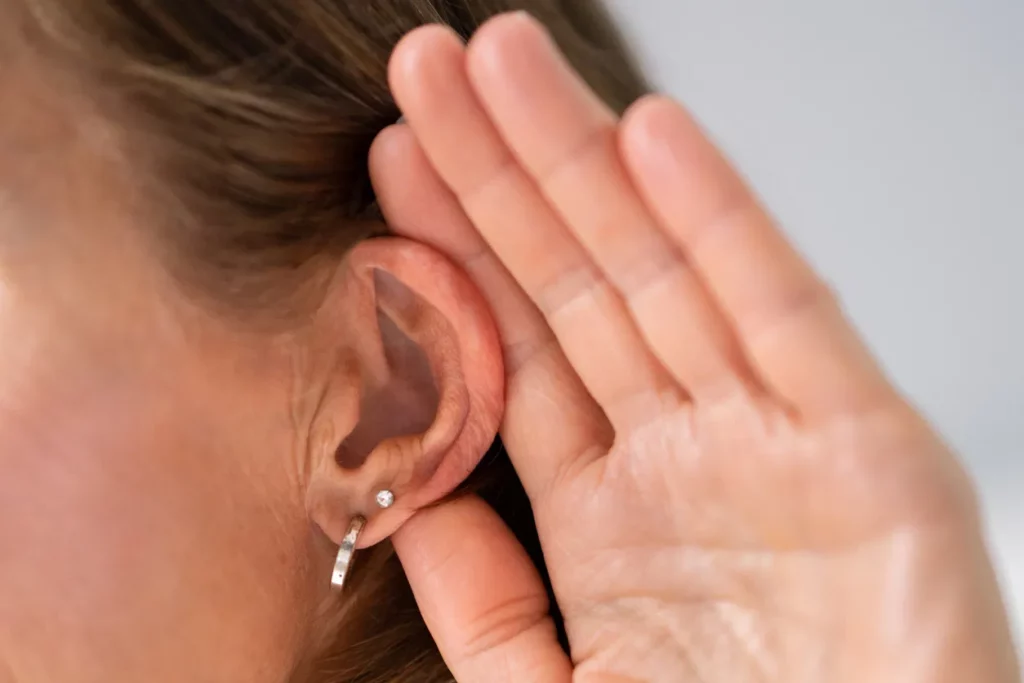
Your ears are not just crucial for hearing; they also play a key role in balance and overall well-being. Taking good care of your ears can help prevent hearing loss, infections, and other complications. Here are seven practical ways you can look after your ears.
1. Limit Exposure to Loud Noises
Prolonged exposure to loud noises is one of the leading causes of hearing loss. Whether it\’s listening to music through headphones, attending concerts, or working in a noisy environment, it’s essential to protect your ears:
- Use Earplugs: Consider using earplugs when you’re in loud environments, such as concerts or construction sites. Custom-molded earplugs are particularly effective.
- Follow the 60/60 Rule: When using headphones, keep the volume at 60% or lower and limit listening time to 60 minutes at a stretch.
- Take Breaks: Give your ears a rest by taking regular breaks in noisy environments.
2. Keep Your Ears Dry
Moisture in the ear can lead to infections like swimmer’s ear, especially after swimming or bathing. Here’s how to keep your ears dry:
- Dry Ears Gently: After swimming or showering, gently dry your ears with a towel. Tilt your head to each side to help water drain out.
- Use Earplugs When Swimming: Consider wearing earplugs to prevent water from entering your ears, particularly if you are prone to ear infections.
3. Avoid Using Cotton Swabs
Using cotton swabs to clean your ears can do more harm than good. Instead of removing earwax, cotton swabs can push it deeper into the ear canal, leading to blockages and even damage.
- Let Earwax Do Its Job: Earwax protects your ears by trapping dirt and debris. Usually, it will naturally work its way out of the ear.
- Visit a Doctor for Ear Cleaning: If you feel your ears are blocked, consult a healthcare professional who can safely remove excess wax.
4. Take Care with Earbuds and Headphones
Earbuds and headphones, if used improperly, can contribute to hearing damage. Here’s how to use them responsibly:
- Choose Over-Ear Headphones: Over-ear headphones are generally safer than in-ear earbuds because they don’t sit directly inside the ear canal.
- Keep Volume Moderate: Ensure the volume is at a level where you can still hear external sounds. If someone next to you can hear your music, it\’s too loud.
5. Be Mindful of Medication Side Effects
Certain medications can have side effects that affect your hearing. This includes some antibiotics, chemotherapy drugs, and even large doses of aspirin.
- Consult Your Doctor: If you’re prescribed medication, ask your doctor about any potential impacts on your hearing.
- Report Any Hearing Changes: If you notice a ringing in your ears (tinnitus) or sudden hearing loss, seek medical advice immediately.
6. Manage Stress Levels
High stress and anxiety can lead to ear-related issues like tinnitus (ringing in the ears). Managing your stress can have a positive impact on your ear health:
- Practice Relaxation Techniques: Techniques such as deep breathing, meditation, and yoga can help reduce stress.
- Get Regular Exercise: Physical activity helps in managing stress and maintaining overall health, including ear health.
7. Get Regular Hearing Check-Ups
Just like regular eye exams, regular hearing tests are important, especially as you get older or if you’re frequently exposed to loud environments.
- Schedule Annual Tests: If you’re over 50, consider having your hearing tested annually.
- Monitor Your Hearing: Pay attention to any changes in your hearing, such as difficulty understanding speech or needing to turn up the volume on devices.
Conclusion
Caring for your ears is a lifelong commitment that involves simple but effective practices. By limiting exposure to loud noises, keeping your ears dry, avoiding the use of cotton swabs, and being mindful of how you use headphones, you can maintain good ear health. Regular check-ups and a proactive approach to hearing care will help ensure your ears stay healthy for years to come.
Book a hearing test, or consult with our experts on how to maintain optimal ear health. Start protecting your ears today for a lifetime of sound!