
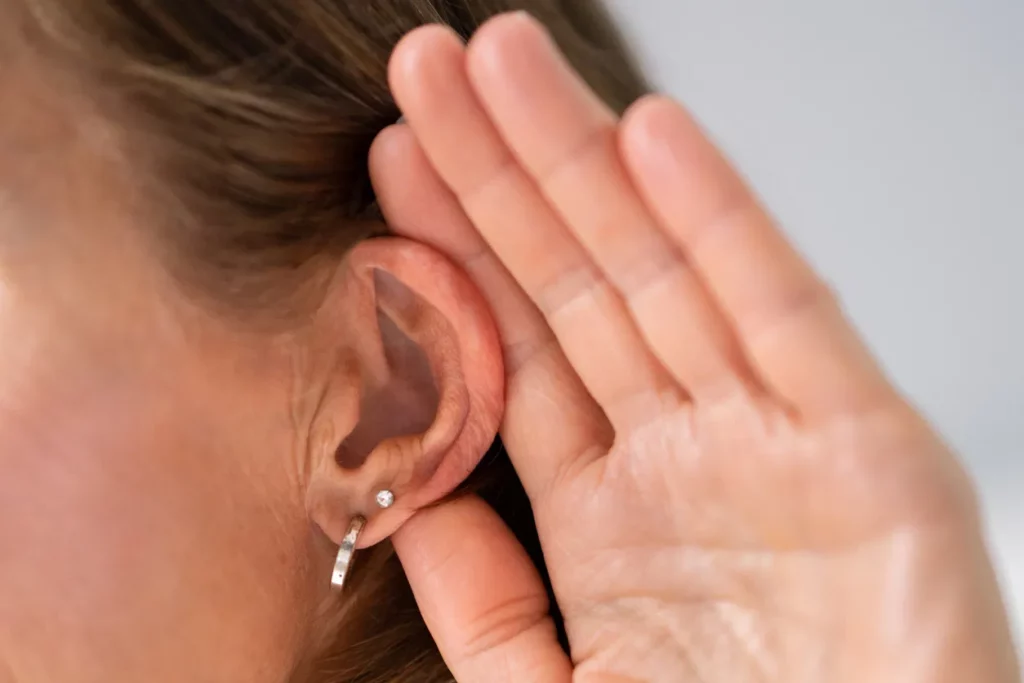
Hearing loss is a prevalent condition that affects millions of people worldwide. However, despite its widespread occurrence, there still exists a significant stigma around hearing loss that can hinder individuals from seeking help and using assistive devices.
The good news is that advancements in technology have led to highly effective assistive devices like hearing aids, which not only improve hearing but also play a vital role in breaking down the stigma associated with hearing loss.
In this blog post, we’ll explore how these devices empower individuals to overcome the stigma and embrace a life filled with better hearing and enhanced quality of life.
Dispelling Myths and Misconceptions
One of the primary reasons for the stigma surrounding hearing loss is the lack of awareness and understanding. Many people associate hearing loss with old age or assume that it’s an irreversible, untreatable condition. However, modern assistive devices like hearing aids have shattered these misconceptions.
These devices are designed to provide effective solutions that can significantly improve a person’s hearing, regardless of their age. By educating the public about the capabilities of assistive devices, we can challenge these myths and break down the barriers that contribute to stigma.
Enhancing Communication and Relationships
Effective communication is at the core of meaningful relationships and successful interactions. Those with untreated hearing loss often struggle to keep up with conversations, leading to misunderstandings and feelings of isolation. Hearing aids bridge this gap by facilitating clear communication, which, in turn, fosters deeper connections and more genuine relationships.
As individuals experience the positive impact of assistive devices on their relationships, they become more inclined to embrace these devices openly, reducing the stigma around seeking help for hearing loss.
Promoting Professional Success
The workplace is another arena where the stigma of hearing loss can have a significant impact. Individuals who are hesitant to use hearing aids might face challenges in understanding instructions, participating in meetings, and contributing effectively to team projects.
Assistive devices enable individuals to excel in their professional roles, demonstrating that hearing loss is not a barrier to success. By showcasing the benefits of these devices in the workplace, individuals can set an example and challenge the notion that hearing loss limits one’s capabilities.
Empowering Self-Expression
Wearing hearing aids is not just about improving hearing; it’s also a statement of self-empowerment and self-care. Choosing to use assistive devices sends a powerful message that one’s hearing health is a priority.
This act of self-expression can inspire others to embrace their own hearing needs without fear of judgment. By normalising the use of assistive devices, individuals contribute to reshaping societal perceptions and diminishing the stigma surrounding hearing loss.
Creating a Supportive Community
One of the most effective ways to combat stigma is by creating a supportive community where individuals can openly discuss their experiences with hearing loss and assistive devices. Online forums, social media groups, and local support networks provide safe spaces for individuals to share their stories, ask questions, and receive encouragement.
These communities play a crucial role in reducing feelings of isolation and building a sense of belonging for those navigating the challenges of hearing loss.
Incorporating Stylish and Discreet Designs
Historically, the appearance of hearing aids has contributed to the stigma associated with them. However, modern assistive devices come in sleek, stylish, and discreet designs that are barely noticeable. Manufacturers have recognised the importance of aesthetics and have developed hearing aids that can blend seamlessly with individual styles.
This shift in design philosophy helps individuals feel more comfortable and confident wearing their devices, contributing to the destigmatisation of hearing loss.
Educating Friends and Family
Support from friends and family is crucial in dispelling the stigma of hearing loss. Loved ones can play a pivotal role in promoting understanding and empathy by educating themselves about hearing loss and assistive devices.
When family and friends openly embrace and encourage the use of hearing aids, it sends a strong message that seeking help for hearing loss is both commendable and beneficial.
Final Words
The stigma surrounding hearing loss can prevent individuals from seeking the help they need to improve their hearing and overall quality of life. However, modern assistive devices like hearing aids are reshaping the narrative by empowering individuals to embrace their hearing needs openly.
Through education, communication, and the promotion of self-expression, these devices are breaking down barriers and challenging societal misconceptions about hearing loss.
As we continue to prioritise awareness and understanding, we contribute to a world where everyone can confidently embrace assistive devices and the enriching experiences they bring.