
Hearing loss can be a life-altering experience, but thanks to modern technology, hearing aids have become powerful tools that can significantly improve the quality of life for individuals with hearing impairments. However, with a multitude of options available in the market, choosing the right hearing aid can be a daunting task.
To make an informed decision, it’s essential to understand your specific needs, preferences, and the features offered by different hearing aids. In this comprehensive guide, we’ll walk you through the essential factors to consider for choosing the right hearing aid for you or your loved one.
Related Article: Best Hearing Aids in the UK (2026)
Step 1: Consult a Hearing Healthcare Professional
The journey to finding the perfect hearing aid begins with a visit to a hearing healthcare professional, typically an audiologist or an otolaryngologist (ear, nose, and throat doctor). Here’s what to expect during this crucial first step:
1. Hearing Evaluation: The professional will conduct a comprehensive hearing evaluation to assess the type and degree of your hearing loss. This evaluation may include pure-tone audiometry, speech audiometry, and other tests to determine your hearing thresholds.
2. Lifestyle Assessment: To recommend the most suitable hearing aid, the healthcare professional will discuss your daily activities, communication needs, and any specific challenges you face in various listening environments.
3. Ear Examination: A thorough examination of your ears will be performed to check for any physical conditions that may affect the choice of hearing aid style or fit.
4. Customisation: Based on the evaluation and your preferences, the professional will customise a hearing aid solution that meets your unique needs.
Step 2: Understand Your Hearing Aid Options
Hearing aids come in various styles and types, each with its own set of advantages and considerations. It’s essential to familiarise yourself with these options before making a decision:
1. Styles: Hearing aid styles typically fall into one of the following categories:
- Behind-the-Ear (BTE): These hearing aids rest behind the ear and are connected to a custom earmold or a thin tube that delivers sound to the ear canal. BTEs are suitable for various degrees of hearing loss and are often more durable.
- In-the-Ear (ITE): ITE hearing aids are custom-made to fit inside the ear. They are less visible but may have limitations regarding battery size and features due to their smaller size.
- In-the-Canal (ITC) and Completely-in-the-Canal (CIC): ITC and CIC hearing aids are even smaller, fitting partially or completely inside the ear canal. They are discreet but may not be suitable for severe hearing loss.
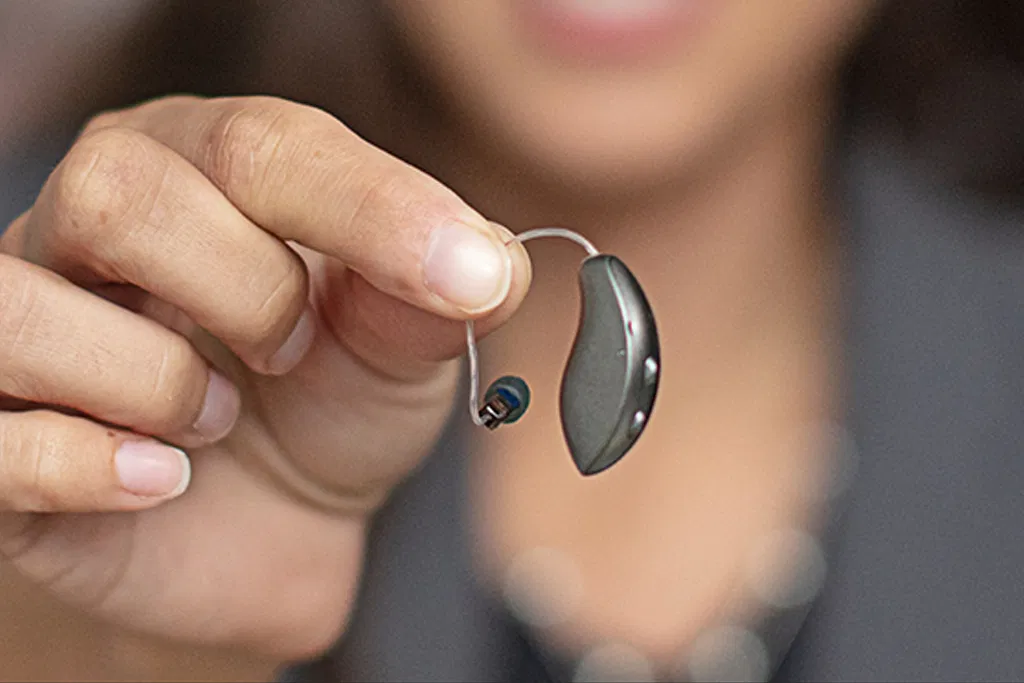
- Receiver-in-Canal (RIC) or Receiver-in-the-Ear (RITE): RIC or RITE hearing aids are similar to BTEs but with a smaller receiver (speaker) placed inside the ear canal. They offer improved sound quality and are suitable for a wide range of hearing losses.
2. Features: Hearing aids come with a variety of features and technology levels. Consider the following when selecting features:
- Digital vs. Analog: Digital hearing aids process sound digitally, offering better sound quality and the ability to adjust settings automatically based on the listening environment. Analog hearing aids are less common today but may be suitable for certain individuals.
- Directional Microphones: These microphones help focus on sounds coming from a specific direction, reducing background noise.
- Noise Reduction: Noise reduction technology filters out background noise, improving speech clarity in noisy environments.
- Connectivity: Many modern hearing aids offer Bluetooth connectivity, allowing you to stream audio from smartphones, TVs, and other devices directly to your hearing aids.
- Rechargeability: Some hearing aids have rechargeable batteries, eliminating the need to replace disposable batteries regularly.
- Telecoil: A telecoil, or T-coil, is a feature that allows hearing aid users to hear better on the telephone or in venues with loop systems.
- Remote Control and Smartphone Apps: Some hearing aids come with remote controls or smartphone apps that allow you to adjust settings discreetly.
Step 3: Consider Your Lifestyle and Listening Environments
Your lifestyle and the environments in which you spend the most time will influence the type of hearing aid that suits you best:
1. Active Lifestyle: If you lead an active lifestyle and frequently find yourself in noisy or dynamic environments, hearing aids with noise reduction and directional microphones may be ideal.
2. Social Interaction: If you often engage in social activities, look for hearing aids with features that enhance speech clarity and reduce background noise.
3. Technology Integration: Consider your comfort level with technology. If you enjoy using smartphones and other digital devices, hearing aids with Bluetooth connectivity and smartphone apps may be beneficial.
4. Aesthetic Preferences: Some individuals prioritise discretion and may prefer smaller hearing aid styles that are less visible, while others may prioritise performance and functionality over appearance.
Step 4: Set a Realistic Budget
Hearing aids vary significantly in price, with factors like style, features, and technology levels affecting the cost. It’s crucial to set a realistic budget and work with your audiologist to find hearing aids that offer the best value for your investment. Keep in mind that while hearing aids may seem costly upfront, they provide long-term benefits for your quality of life.
Step 5: Trial Period and Adjustments
Once you’ve selected a hearing aid, you’ll typically go through a trial period during which your audiologist will make necessary adjustments to ensure optimal performance and comfort. It’s essential to communicate any concerns or discomfort during this period to achieve the best results.
Step 6: Ongoing Care and Maintenance
Proper care and maintenance of your hearing aids are critical for their longevity and performance. Your audiologist will provide guidance on cleaning, changing batteries, and troubleshooting common issues. Regular follow-up appointments are essential to address any changes in your hearing and make necessary adjustments to your hearing aids.
Conclusion
Choosing the right hearing aid is a significant decision that can have a profound impact on your daily life. By following these steps and working closely with a hearing healthcare professional, you can select a hearing aid that not only meets your hearing needs but also enhances your overall quality of life.
Remember that your audiologist is your partner in this journey, providing expertise and guidance to help you make the best choice for your unique circumstances. With the right hearing aid, you can rediscover the joys of clear and vibrant hearing, allowing you to fully engage in conversations and savour the sounds of the world around you.
For help and advice on choosing the right hearing aid, please get in touch.