
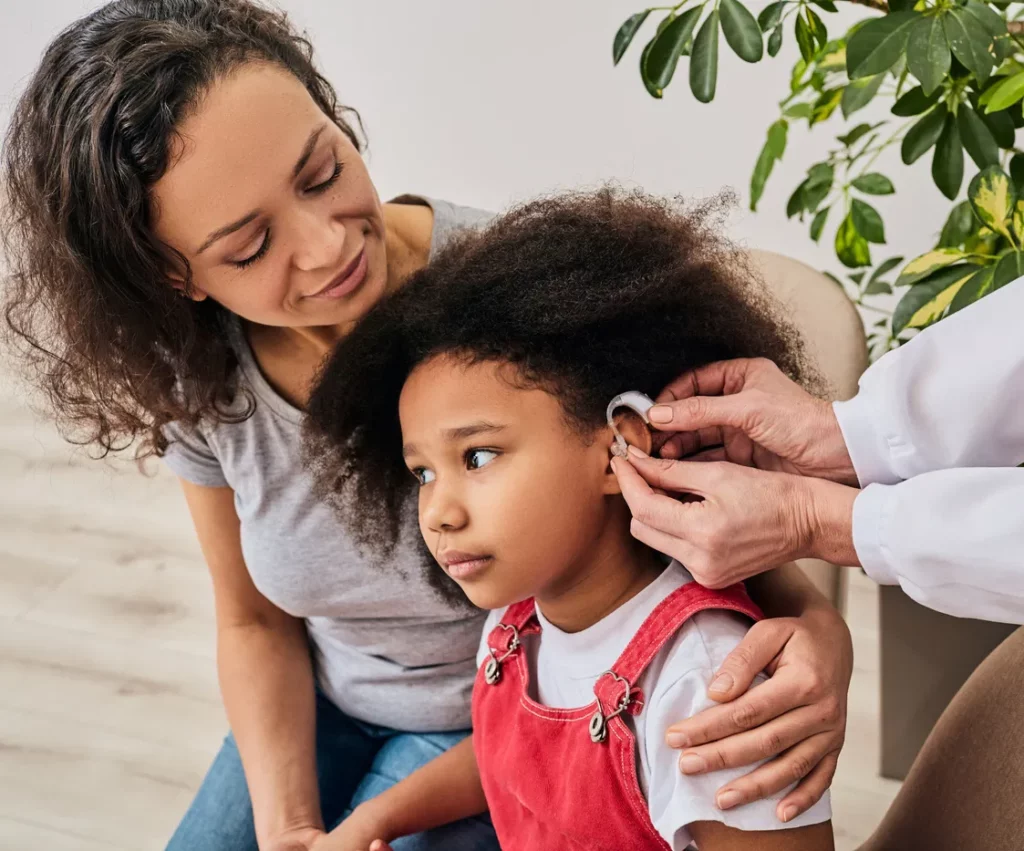
Hearing is a fundamental aspect of a child’s development, influencing their ability to communicate, learn, and connect with the world around them. For children with hearing loss, navigating these developmental milestones can pose unique challenges.
Understanding Childhood Hearing Loss:
Childhood hearing loss can result from various factors, including genetic conditions, infections, trauma, or exposure to certain medications. Identifying hearing loss early is crucial, as it allows for timely intervention and support. The impact of hearing loss on a child’s development can be significant, affecting speech and language acquisition, social skills, and academic success.
Early Intervention:
Early intervention is the key to addressing and mitigating the challenges associated with childhood hearing loss. The sooner hearing loss is identified, the earlier interventions can begin, maximising the child’s potential for optimal development. Newborn hearing screening programs have become standard in many healthcare systems, enabling early detection and intervention.
Hearing Aids for Children:
Hearing aids are a common and effective solution for children with mild to moderate hearing loss. These devices amplify sounds, making them audible to the child. Modern hearing aids come in various styles and sizes, ensuring comfort and aesthetics for young users. It’s essential to work closely with audiologists and hearing healthcare professionals to choose the most suitable hearing aids for a child’s specific needs.
Cochlear Implants:
For children with severe to profound hearing loss, cochlear implants can be a transformative solution. These surgically implanted devices bypass the damaged parts of the ear and directly stimulate the auditory nerve, providing a sense of sound. Cochlear implants are particularly effective for children who do not benefit significantly from hearing aids.
Educational Support:
Children with hearing loss may face unique challenges in educational settings. It’s crucial to create an inclusive and supportive environment that addresses their specific needs. This may involve using assistive listening devices in classrooms, ensuring that teachers receive training on working with children with hearing loss, and providing additional support services, such as speech therapy.
Speech and Language Therapy:
Speech and language development are closely tied to hearing abilities. Children with hearing loss may benefit from speech therapy to improve communication skills. Speech therapists work with children to develop speech sounds, language comprehension, and social communication. Early and consistent speech therapy can significantly impact a child’s ability to communicate effectively.
Sign Language and Communication Alternatives:
For children with profound hearing loss or those who do not benefit significantly from traditional interventions, sign language can be a valuable communication tool. Learning sign language allows children to express themselves and engage with others. Additionally, technologies like augmentative and alternative communication (AAC) devices provide additional means of communication.
Family Involvement and Emotional Support:
Supporting a child with hearing loss extends beyond interventions and therapies—it involves creating a supportive and nurturing environment at home. Families play a crucial role in a child’s development, and their active involvement can positively impact the child’s emotional well-being. Open communication, empathy, and fostering a sense of belonging are essential components of supporting children with hearing loss.
Peer Interaction and Socialisation:
Socialisation is a vital aspect of childhood development, and children with hearing loss should have opportunities to interact with their peers. Inclusive activities, playgroups, and school environments that promote understanding and acceptance contribute to a child’s overall well-rounded development.
Assistive Technology for Learning:
Advancements in technology have opened up new possibilities for children with hearing loss. Assistive technologies, such as FM systems, loop systems, and captioning devices, can enhance a child’s learning experience. These technologies help overcome the challenges associated with background noise, distance, and communication in various settings.
Financial Assistance and Resources:
The cost of hearing aids, cochlear implants, and related services can be a concern for many families. It’s essential to explore financial assistance programs, insurance coverage, and available resources that can alleviate the financial burden. Nonprofit organisations dedicated to supporting families with children who have hearing loss can also be valuable sources of assistance.
Supporting children with hearing loss requires a comprehensive and individualised approach. From early intervention and the use of hearing aids to educational support and emotional well-being, each component plays a vital role in ensuring that children with hearing loss can thrive.
By embracing tailored solutions and fostering a supportive environment, we can empower these young individuals to navigate the world with confidence, embrace their unique abilities, and fully participate in the rich tapestry of life’s sounds.