
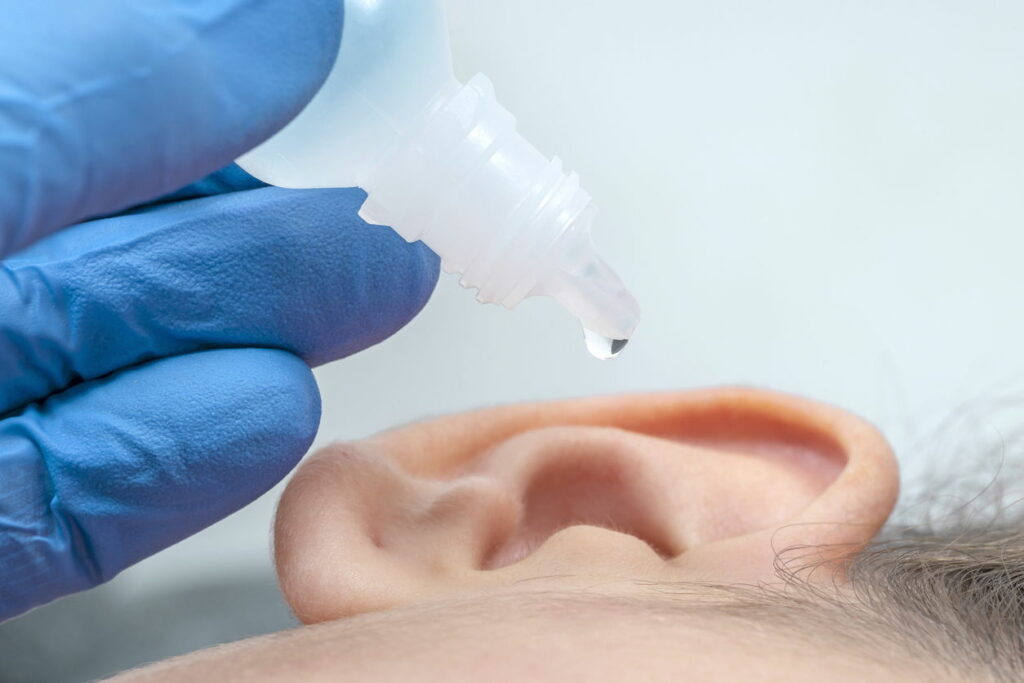
Ear wax, also known as cerumen, is a natural substance produced by our bodies to protect and lubricate the ear canal. While ear wax serves important functions, excessive build-up can interfere with the performance of hearing aids, leading to discomfort and decreased effectiveness. In this blog post, we\’ll explore the relationship between ear wax and hearing aids, as well as strategies for managing build-up to ensure optimal device performance.
1. Understanding the Impact of Ear Wax: Ear wax is produced by the glands in the ear canal and typically migrates outward, carrying with it dirt, dust, and other particles. For individuals wearing hearing aids, this natural process can sometimes result in wax accumulating around the device\’s microphone or speaker openings, obstructing sound and causing feedback or muffled sound quality. Additionally, excessive ear wax can interfere with the proper fit of hearing aids, leading to discomfort and irritation.
2. Importance of Regular Cleaning: To maintain optimal performance, it\’s essential to clean your hearing aids regularly and remove any accumulated ear wax. Most hearing aid manufacturers provide cleaning tools and instructions for safely removing wax and debris from the device\’s components. Additionally, audiologists can perform professional cleanings and inspections to ensure that your hearing aids are functioning correctly and free from obstruction.
3. Avoid Common Pitfalls: While it\’s important to clean your hearing aids regularly, it\’s equally important to avoid certain cleaning methods that can inadvertently damage the devices or push wax further into the ear canal. Avoid using cotton swabs or other sharp objects to clean inside the ear canal, as this can push wax deeper and potentially cause injury. Instead, use soft, dry cloths or brushes recommended by your audiologist to gently clean the outer surfaces of the hearing aids.
4. Seeking Professional Assistance: If you\’re experiencing persistent issues with ear wax build-up or difficulty maintaining your hearing aids, don\’t hesitate to seek professional assistance from your audiologist. They can provide personalised guidance and recommend effective solutions for managing wax build-up, such as specialised ear drops or irrigation techniques. Additionally, audiologists can perform regular check-ups and adjustments to ensure that your hearing aids continue to meet your needs effectively.
Final Words
Ear wax build-up can pose challenges for individuals wearing hearing aids, but with proper management and care, these issues can be minimised or avoided altogether. By understanding the impact of ear wax on hearing aid performance and implementing strategies for regular cleaning and maintenance, you can ensure that your devices continue to provide clear, comfortable sound for years to come.
Are you struggling with ear wax build-up and its impact on your hearing aids? Contact your audiologist today to schedule a consultation and explore effective solutions for managing wax build-up and optimising the performance of your devices. With expert guidance and support, you can enjoy clearer, more comfortable hearing and get back to fully engaging in the activities you love. Don\’t let ear wax hold you back – take control of your hearing health today!