
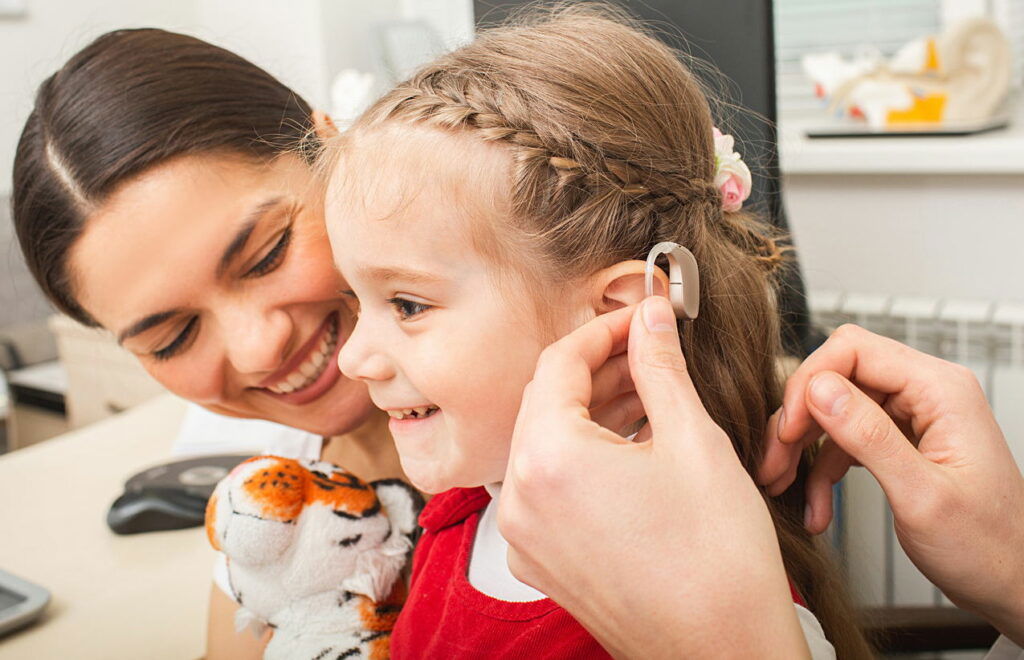
Hearing aids are incredible devices that can transform the lives of individuals with hearing loss, allowing them to engage more fully in conversations and enjoy the sounds of the world around them. However, to reap the maximum benefits from these tiny technological wonders, it\’s essential to ensure their longevity and optimal performance through proper maintenance.
In this comprehensive guide, we\’ll explore the basics of hearing aid maintenance, helping you keep your devices in top condition for years to come.
Why Maintenance Matters
Before diving into the nitty-gritty of hearing aid maintenance, let\’s understand why it\’s so crucial. Hearing aids are exposed to a variety of environmental factors, including moisture, earwax, dust, and debris. Over time, these elements can accumulate and compromise the functionality of your device. Proper maintenance not only ensures that your hearing aids continue to work effectively but also extends their lifespan, ultimately saving you money on replacements.
Daily Cleaning Routine
A consistent daily cleaning routine is the foundation of hearing aid maintenance. Here\’s a step-by-step guide to keeping your devices clean:
1. Wash Your Hands: Before handling your hearing aids, always wash your hands thoroughly to remove any dirt or oils that could transfer to the devices.
2. Turn Off Your Hearing Aids: Before removing them from your ears, make sure to turn off your hearing aids to prevent feedback or accidental adjustments.
3. Gently Remove Earwax: Earwax is a common culprit when it comes to hearing aid issues. Use a soft, dry cloth or a specialised wax removal tool (provided by your audiologist) to clean the earwax from your hearing aids. Be careful not to push earwax further into the device.
4. Wipe Down the Exterior: Use a soft, dry cloth or a cleaning brush to gently wipe down the exterior of your hearing aids. Avoid using water, alcohol, or cleaning solutions, as they can damage the sensitive components.
5. Check the Microphone and Receiver: Inspect the microphone and receiver (the parts that go into your ear canal) for any visible debris. If you notice any, use a wax pick or brush (usually supplied with your hearing aids) to carefully remove it.
6. Inspect the Tubing (if applicable): If your hearing aids have tubing, examine it for any cracks or signs of wear. If you notice any issues, contact your audiologist for repairs.
Weekly Maintenance
In addition to daily cleaning, it\’s a good idea to perform weekly maintenance to keep your hearing aids in optimal condition. Here are some tasks to include in your weekly routine:
1. Battery Check: Check the battery status regularly to ensure your hearing aids don\’t unexpectedly run out of power. Replace the batteries as needed, and consider carrying spare batteries with you.
2. Clean the Battery Contacts: Gently wipe the battery contacts in your hearing aids with a dry cloth to remove any residue that may have accumulated.
3. Change Wax Filters: If your hearing aids have wax filters, follow your audiologist\’s recommendations for changing them. This helps prevent earwax from entering the device.
4. Perform a Listening Check: Listen to a familiar sound or voice with your hearing aids to ensure that they are functioning correctly. If you notice any issues, contact your audiologist for assistance.
Monthly Maintenance
On a monthly basis, consider performing more in-depth maintenance to address any hidden issues and ensure your hearing aids continue to perform optimally:
1. Clean the Battery Compartment: Remove the batteries and inspect the battery compartment for any corrosion or debris. If you see any, gently clean it using a specialised brush or cotton swab.
2. Check for Moisture: Moisture can damage hearing aids over time. Use a hearing aid dehumidifier or a drying kit to remove any moisture that may have accumulated inside the devices.
3. Inspect Tubing and Connections (if applicable): If your hearing aids have tubing or connections, carefully inspect them for any signs of wear, damage, or loose parts. Contact your audiologist if you have any concerns.
4. Schedule a Professional Check-up: While regular maintenance can address many issues, it\’s essential to schedule periodic check-ups with your audiologist. They can perform thorough inspections, clean hard-to-reach components, and make any necessary adjustments or repairs.
Additional Tips for Hearing Aid Care
Here are some additional tips to help you maintain your hearing aids and ensure their longevity:
1. Handle with Care: Always handle your hearing aids gently, as they are delicate electronic devices. Avoid dropping them or exposing them to extreme temperatures.
2. Avoid Moisture: Keep your hearing aids away from moisture, such as rain, steam, or sweat. Remove them before showering, swimming, or engaging in activities that may cause excessive perspiration.
3. Store Properly: When you\’re not wearing your hearing aids, store them in a protective case provided by your audiologist. This helps prevent damage and keeps them safe from dust and debris.
4. Keep Spare Parts: If your hearing aids come with spare parts, such as tubes, domes, or wax guards, make sure to have them on hand. Replacing these parts as needed can prevent issues and maintain sound quality.
5. Educate Yourself: Familiarise yourself with the user manual provided by your audiologist or hearing aid manufacturer. Understanding your specific device\’s care requirements is essential for proper maintenance.
6. Insurance and Warranty: Consider getting insurance or an extended warranty for your hearing aids. These options can provide peace of mind and financial protection in case of unexpected damage or loss.
Conclusion
Proper hearing aid maintenance is essential for ensuring the longevity and optimal performance of these life-changing devices. By incorporating daily, weekly, and monthly maintenance routines, handling your hearing aids with care, and seeking professional check-ups when needed, you can enjoy clear and reliable hearing for years to come. Remember, your audiologist is your ally in hearing aid maintenance, so don\’t hesitate to reach out for guidance and assistance to maximise the benefits of your hearing aids.
With the right care, your hearing aids will continue to enrich your life, allowing you to fully engage in conversations and savour the sounds of the world around you.
Let Hear365 help you on your hearing aid journey.