
Ear wax, also known as cerumen, plays a crucial role in maintaining ear health by trapping dust, debris, and bacteria, preventing them from reaching the delicate inner ear. Despite its importance, ear wax often falls victim to misconceptions and myths that can lead to improper ear care practices. In this blog post, we’ll debunk some of the most common myths surrounding ear wax to promote a better understanding of its role and the importance of proper ear hygiene.
Related Article: Ear Wax and Hearing Aids: Managing Build-Up for Better Performance
Related Article: The importance of getting professional ear wax removal
Myth 1: Ear Wax is Dirty and Unsanitary.
Reality: Contrary to popular belief, ear wax is not a sign of poor hygiene. Ear wax is a natural and essential substance produced by glands in the ear canal. It serves as a protective barrier, trapping dirt and preventing harmful particles from reaching the inner ear.
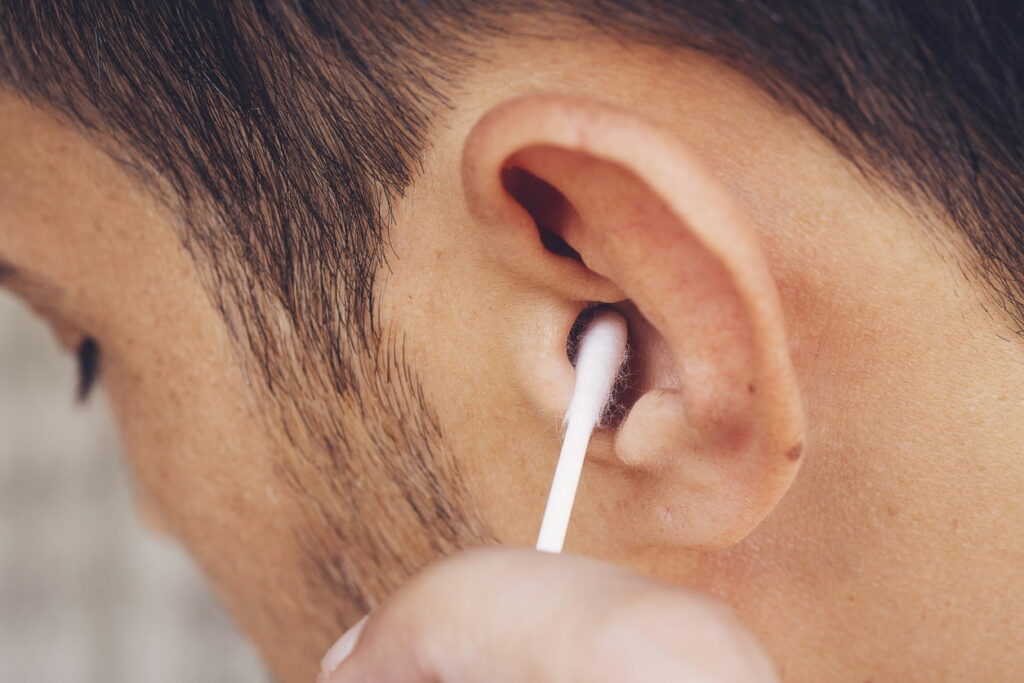
Myth 2: Cotton buds are the Best Way to Clean Ear Wax.
Reality: While cotton buds are commonly used for ear cleaning, they can do more harm than good. Inserting cotton buds into the ear canal can push wax deeper, leading to impaction and potential damage to the ear drum. Instead, experts recommend using a soft cloth to clean the outer ear and allowing the ear’s natural cleaning process to remove excess wax.
Myth 3: Removing Ear Wax is Necessary for Good Ear Health.
Reality: In most cases, the ears are self-cleaning, and excess wax will naturally migrate out of the ear canal. Attempting to remove ear wax manually can disrupt this process and increase the risk of complications, such as infection or injury. Only individuals experiencing symptoms of ear wax impaction, such as hearing loss or earache, should seek professional ear cleaning.
Myth 4: Ear Candles are Effective for Removing Ear Wax.
Reality: Ear candles, often marketed as a natural remedy for ear wax removal, have not been proven effective and can pose significant risks. The use of ear candles may result in burns, punctured eardrums, or even damage to the ear canal. It’s best to avoid ear candles and opt for safer, evidence-based methods of ear wax removal.
Myth 5: Hearing Loss is Always Caused by Excessive Ear Wax.
Reality: While ear wax impaction can contribute to hearing loss, it is not the sole cause. Other factors, such as age-related hearing loss, noise exposure, or medical conditions like otitis media, can also affect hearing. It’s important to consult a healthcare professional for proper diagnosis and treatment of hearing loss.
Summary of Common Myths about Ear Wax
- Ear wax is a natural and essential substance produced by glands in the ear canal, serving as a protective barrier against dirt and harmful particles.
- Cotton buds should be avoided for ear cleaning as they can push wax deeper, potentially leading to impaction and eardrum damage.
- Removing ear wax is not necessary for good ear health; the ears are self-cleaning, and excess wax typically migrates out of the ear canal naturally.
- Ear candles are not effective for removing ear wax and can pose risks such as burns or punctured ear drums.
- While ear wax impaction can contribute to hearing loss, it is not the sole cause; other factors like age-related hearing loss or medical conditions may also affect hearing.
By debunking common myths about ear wax, we can promote better ear care practices and prevent unnecessary complications. Remember, ear wax is a natural and beneficial substance that helps protect the ear from harm. Instead of attempting to remove ear wax manually, focus on maintaining good ear hygiene and seeking professional guidance when needed. Let’s work together to foster a better understanding of ear health and debunk misconceptions surrounding ear wax.