
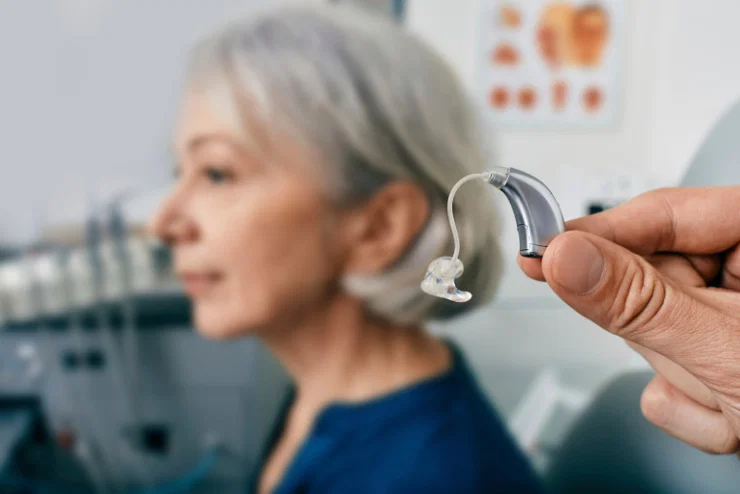
If you live with a constant ringing, buzzing or hissing in your ears, you have probably already searched online more than once for an answer. Tinnitus can be exhausting. It can creep into quiet moments, disrupt sleep and make it hard to concentrate. So it is no surprise that when hearing aids come up as a possible option, people want a straight answer.
Hearing aids can genuinely help many people with tinnitus, especially when tinnitus is linked to hearing loss. They work by making everyday sounds clearer and by adding background noise that reduces how noticeable the tinnitus feels. Hearing aids are not a cure and results vary from person to person. People with hearing loss alongside tinnitus tend to benefit the most, while those with normal hearing may need a different approach, such as sound therapy or support from an audiologist.
People with untreated hearing loss and tinnitus often notice the biggest improvement, because the brain is no longer straining to hear quiet sounds while also processing the tinnitus signal. People with normal hearing thresholds may find hearing aids less useful, though some newer devices with built-in sound therapy features can still offer relief.
Keep reading for a full, evidence-based explanation, including how hearing aids work for tinnitus, who tends to benefit most, what a hearing assessment involves and what other treatments are available if hearing aids are not the right fit.
What Is Tinnitus?
Tinnitus is the perception of sound when there is no external noise source causing it. It is often described as ringing, buzzing, hissing, humming or clicking.
Tinnitus is not a disease in itself. It is usually a symptom of something else going on in the auditory system, most commonly changes in hearing.
It can affect one ear, both ears, or feel like it is coming from inside the head. For some people it is mild and barely noticeable. For others it can be loud, persistent and genuinely distressing, particularly at night when background noise disappears.
What Causes Tinnitus?
There is rarely a single cause. Tinnitus can be linked to several different factors, including:
- Age-related hearing changes
- Long-term exposure to loud noise
- Earwax blockages
- Ear infections
- Certain medications
- Stress and fatigue
- Jaw or neck tension
- Sudden hearing loss
In many cases, tinnitus develops gradually alongside changes in hearing that a person may not have noticed yet. This is one of the reasons a proper hearing assessment is so useful. It helps identify whether hearing loss is part of the picture.
What Is the Connection Between Hearing Loss and Tinnitus?
There is a well recognised link between hearing loss and tinnitus. When the ear receives less sound information than before, particularly at certain pitches, the brain can become more aware of internal neural activity that would normally be masked by everyday sound.
Think of it like this. In a busy street, you would never notice a quiet ticking clock. In a silent room, that same tick suddenly feels loud. Hearing loss can create a similar kind of silence at certain frequencies and tinnitus becomes more noticeable as a result.
This is why addressing hearing loss, where present, is often one of the first and most effective steps in managing tinnitus.
How Do Hearing Aids Help Tinnitus?
Hearing aids do not remove tinnitus. Instead, they change the listening environment in ways that can make tinnitus far less intrusive.
How Hearing Aids Improve Everyday Hearing
By amplifying speech and environmental sounds, hearing aids reduce the effort the brain needs to put into listening. This can lower overall stress levels, which often has a knock-on effect on how tinnitus is perceived.
How Hearing Aids Reduce Awareness of Tinnitus
When background sound is restored, tinnitus has more competition. Instead of standing out in silence, it becomes one sound among many, which many people find far less noticeable.
How Sound Enrichment Works
Sound enrichment is the idea of introducing gentle, consistent background sound to reduce the contrast between silence and tinnitus. Many hearing aids include built-in options such as white noise, nature sounds or fractal tones, which can be adjusted to suit personal preference.
Ready to Find the Best Hearing Aids?
Hearing aids from £1,295. Free hearing test. No waiting list.
Book your FREE hearing test at our Stafford clinic or request a home visit across Staffordshire. Get expert advice and personalised hearing aid recommendations from our experienced audiologists.
Call 01785 331560Compare the Best Hearing Aids 2026Can Hearing Aids Stop Tinnitus Completely?
For some people, tinnitus becomes far less noticeable with hearing aids, especially in quiet moments. For others, it remains present but easier to manage. Complete elimination is not typical and no reputable hearing professional should promise a cure. The realistic goal is meaningful relief, not guaranteed silence.
Who Is Most Likely to Benefit?
Hearing aids tend to help most when:
- Tinnitus is accompanied by measurable hearing loss.
- Tinnitus is more noticeable in quiet environments.
- Everyday communication has become harder due to hearing changes.
- Tinnitus increases mental fatigue from straining to hear.
Who May Not Benefit?
Hearing aids may offer limited benefit when:
- Hearing thresholds are within a normal range.
- Tinnitus is linked to an underlying medical condition that needs separate treatment.
- Tinnitus is extremely severe and requires a combined care approach involving CBT or specialist tinnitus clinics.
An audiologist can help clarify which category applies, based on a full hearing assessment.
Different Types of Hearing Aids for Tinnitus
There are several styles of hearing aid that may be suitable, depending on hearing loss, lifestyle and personal preference.
- Behind-the-ear hearing aids, which are versatile and suit a wide range of hearing losses
- Receiver in canal hearing aids, which are discreet and comfortable for many users
- In-ear hearing aids, which sit within the outer ear
- Invisible hearing aids, which sit deep in the ear canal and are barely visible
- Digital hearing aids with built-in tinnitus sound therapy programmes
Features That Can Help People With Tinnitus
Certain features are particularly useful for tinnitus management:
- Built-in sound generators or maskers
- Adjustable background sound options
- Directional microphones for clearer speech in noise
- Bluetooth connectivity for streaming calming sounds
- Rechargeable batteries for all day, consistent use
What Happens During a Hearing Assessment?
A hearing assessment is straightforward and usually painless. It typically includes:
- A discussion about your hearing history and tinnitus symptoms
- An examination of the ear canal and eardrum
- Pure tone hearing tests to measure hearing thresholds
- Speech in noise testing, if appropriate
- A discussion of results and possible next steps
This process helps the audiologist understand whether hearing loss is present and how it may relate to tinnitus.
How an Audiologist Chooses the Right Hearing Aid
The right hearing aid depends on several factors, including the degree and pattern of hearing loss, lifestyle, manual dexterity, and personal preferences around visibility and technology features. An audiologist will usually discuss a shortlist of suitable options, explain the pros and cons of each, and allow a trial period so the fit and settings can be fine-tuned.
Can Hearing Aids Make Tinnitus Worse?
This is a common concern, and it is understandable. In most cases, well-fitted hearing aids do not make tinnitus worse. If anything, many users report the opposite.
However, poorly fitted hearing aids, incorrect volume settings, or aids that are not suited to a person’s specific hearing loss can occasionally cause discomfort. This is why professional fittings and follow-up appointments matter. Any concerns should always be raised with the audiologist so adjustments can be made.
Other Treatments That May Be Recommended
Hearing aids are often just one part of a wider tinnitus management plan.
Sound Therapy
Sound therapy uses external sound, such as white noise or nature sounds, to reduce the contrast between silence and tinnitus. It can be delivered through hearing aids, dedicated sound machines or smartphone apps.
Cognitive Behavioural Therapy
Cognitive behavioural therapy helps people change how they respond to tinnitus emotionally and psychologically. It does not remove the sound itself, but it can significantly reduce distress and improve quality of life.
Lifestyle Changes
Simple changes can support overall tinnitus management, including reducing caffeine or alcohol where it seems to worsen symptoms, staying physically active, and building a consistent daily routine.
Sleep Improvement
Good sleep hygiene, a calm bedtime routine and gentle background sound can help reduce how disruptive tinnitus feels at night.
Stress Management
Because stress can heighten awareness of tinnitus, relaxation techniques, mindfulness and regular breaks from demanding tasks can be genuinely helpful.
Protecting Your Hearing
Avoiding prolonged exposure to loud noise, using ear protection where needed, and having regular hearing checks can help prevent further hearing changes that could worsen tinnitus over time.
Tips for Getting the Best Results from Hearing Aids
- Wear your hearing aids consistently, rather than only in difficult listening situations
- Give your brain time to adjust, as this can take several weeks
- Attend follow-up appointments so settings can be fine-tuned
- Use any built-in sound therapy features consistently, especially in quiet environments
- Keep a simple diary of how your tinnitus feels to share with your audiologist
Common Myths about Hearing Aids and Tinnitus
Myth: Hearing aids cure tinnitus. They do not. They can reduce how noticeable tinnitus feels, but a cure is not currently available.
Myth: Only older people get tinnitus. Tinnitus can affect people of any age, including those exposed to loud noise at work or through leisure activities.
Myth: If your hearing test is normal, hearing aids cannot help. This is often true, though some tinnitus-specific sound therapy devices may still be considered in certain cases.
Myth: Hearing aids make tinnitus louder. When properly fitted, hearing aids are far more likely to reduce the prominence of tinnitus than increase it.
When Should You See an Audiologist?
It is worth booking a hearing assessment if tinnitus has lasted more than a few weeks, if it is affecting sleep, concentration or mood, or if you have also noticed changes in your hearing. Early assessment often leads to more effective management.
When Should You Seek Urgent Medical Advice?
Certain symptoms need prompt medical attention rather than a routine hearing assessment. These include tinnitus that starts suddenly, tinnitus in only one ear, tinnitus accompanied by sudden hearing loss, or tinnitus alongside dizziness, facial weakness or severe headache. In these situations, contact a GP or ENT specialist promptly.
Comparison Table: Living With Tinnitus, With and Without Hearing Aids
| Factor | Without Hearing Aids | With Hearing Aids |
|---|---|---|
| Awareness of tinnitus in quiet | Often more noticeable | Often reduced due to background sound |
| Everyday hearing effort | Can be tiring, especially with hearing loss | Reduced listening effort |
| Sleep and relaxation | May be disrupted by silence | Can improve with built in sound therapy |
| Emotional impact | May cause more frustration | Often reduced, though not eliminated |
| Best suited for | People without significant hearing loss | People with hearing loss alongside tinnitus |
| Limitations | Tinnitus may feel more prominent | Not a cure, results vary by individual |
Comparison Table: Hearing Aid Features for Tinnitus Management
| Feature | What It Does | Who It Suits |
|---|---|---|
| Built in sound generator | Adds gentle background sound to mask tinnitus | People who notice tinnitus most in quiet |
| Directional microphones | Improves clarity of speech in noisy places | People struggling with conversations |
| Bluetooth streaming | Allows calming sounds or music to be streamed directly | People who want flexible sound therapy options |
| Rechargeable battery | Provides all day power without changing batteries | People wanting consistent, low maintenance use |
| Invisible fit | Sits discreetly in the ear canal | People who prefer a less visible device |
Frequently asked questions
Yes, for many people, especially those who also have hearing loss. They add background sound and improve overall hearing, which often makes tinnitus less noticeable.
No. Hearing aids can reduce how noticeable tinnitus feels, but there is currently no cure for tinnitus.
People who have both tinnitus and hearing loss tend to see the biggest improvement, since restoring everyday sound reduces the contrast that makes tinnitus stand out.
Often yes, if a hearing assessment confirms hearing loss alongside tinnitus. Eligibility depends on individual clinical need and local NHS services.
Sometimes, but benefit is usually more limited. Dedicated sound therapy devices or apps may be more suitable in this case.
Many people notice some benefit within a few weeks, though full adjustment can take a couple of months of consistent, daily use.
Book Your Hearing Test in Staffordshire
If you are experiencing hearing difficulties, booking a hearing test is the first step. Our team at Mi Hearing will assess your hearing and help you find the best hearing aids for your needs.
Book Your Free Hearing TestA Realistic, Reassuring Conclusion
Living with tinnitus can be genuinely difficult and it is completely understandable to want a solution that makes it disappear. Hearing aids will not switch tinnitus off, but for many people, especially those with hearing loss, they can make a real and lasting difference to how noticeable and distressing it feels day to day.
The most important step is getting a proper hearing assessment. This helps identify what is going on and whether hearing aids, sound therapy, or a combination of approaches would suit you best.
If tinnitus is affecting your sleep, concentration or daily life, consider booking a professional hearing assessment. At Mi Hearing, our qualified audiologist can talk you through your options and help you find an approach that genuinely fits your needs.