
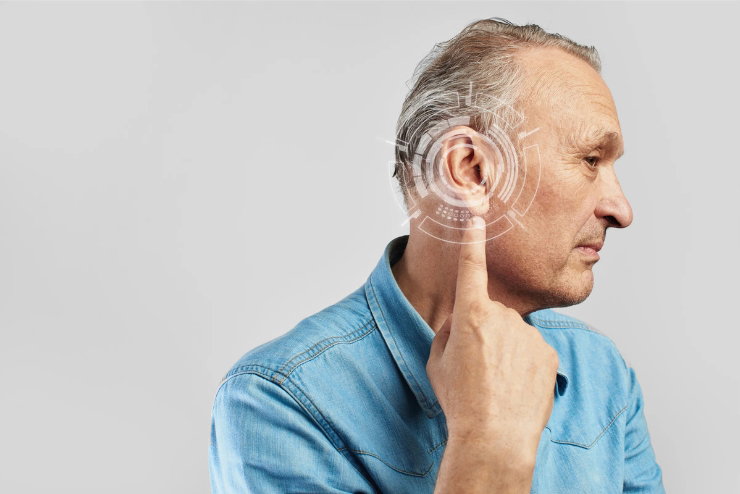
If you or someone you know has suddenly lost hearing in one or both ears, don’t wait it out. Sudden hearing loss can need urgent specialist assessment, sometimes within 24 hours, because early diagnosis can affect the chances of recovery. This article explains sudden hearing loss, its causes and what to do if it occurs.
What is Sudden Hearing Loss?
Sudden hearing loss means a noticeable reduction in hearing that develops quickly, over hours or days, rather than gradually over months or years. There are two broad types:
- Conductive hearing loss happens when sound cannot pass efficiently through the outer or middle ear, often due to earwax, fluid, or infection.
- Sensorineural hearing loss happens when there is a problem in the inner ear or hearing nerve, which carries sound signals to the brain. This type is often more serious.
When sensorineural hearing loss develops rapidly, usually in one ear, it is often called ‘sudden sensorineural hearing loss’, sometimes shortened to ‘SSNHL’ or ‘sudden deafness’ and is generally treated as a medical emergency until proven otherwise.
Is Sudden Hearing Loss an Emergency?
Yes, sudden hearing loss can be a medical emergency, particularly when there is no obvious ear infection or blockage to explain it.
According to NICE guidance, sudden hearing loss developing over three days or less, not explained by an outer or middle ear problem, needs immediate or urgent specialist assessment. If it began within the last 30 days, you should be seen within 24 hours. If it started more than 30 days ago, an urgent referral within two weeks is recommended.
This matters because some causes of sudden sensorineural hearing loss respond better to early treatment. Do not assume your hearing will simply return on its own and do not delay seeking advice in the hope the problem clears up by itself.
What Causes Sudden Hearing Loss?
Sudden hearing loss has several possible causes, ranging from straightforward problems to more serious inner ear conditions.
Earwax and Ear Blockages
A build-up of earwax, or an object trapped in the ear canal, can cause a sudden feeling of blocked hearing. This is a conductive cause and is often straightforward to resolve once identified.
Ear Infections and Middle Ear Problems
Infections of the outer or middle ear, or fluid behind the eardrum, can reduce hearing quickly. These are usually accompanied by pain, discharge, or pressure in the ear.
Sudden Sensorineural Hearing Loss
This is hearing loss caused by a problem in the inner ear or hearing nerve, rather than a physical blockage. It typically affects one ear and can develop within hours, needing prompt specialist assessment to rule out serious conditions and consider treatment options.
Noise or Head Injury
Exposure to a very loud sound, such as an explosion, or a head injury can damage the delicate structures of the inner ear and cause sudden hearing changes, sometimes with tinnitus.
Inner Ear Conditions
Certain conditions affecting the inner ear, including some viral infections and circulation problems in the tiny blood vessels supplying the cochlea, have been linked to sudden sensorineural hearing loss. Autoimmune conditions can occasionally be a factor.
Medication and Other Medical Conditions
Some medications can affect hearing as a side effect and certain conditions may increase the risk of sudden hearing changes. Mention any new medication when seeking advice.
When the Cause Cannot Be Identified
In many cases of sudden sensorineural hearing loss, no single clear cause is found, even after thorough assessment. This is described as idiopathic sudden sensorineural hearing loss, one of the most common presentations seen by ENT specialists.
What Are the Symptoms of Sudden Hearing Loss?
Symptoms can vary depending on the underlying cause but often include the following.
Hearing Loss in One Ear
Most cases of sudden sensorineural hearing loss affect only one ear, often noticed on waking or while using the telephone.
Tinnitus
A ringing, buzzing, or hissing sound in the affected ear is a common symptom and may appear alongside the hearing change.
Ear Fullness or Pressure
Many people describe a blocked or full sensation, which can make it tempting to assume the cause is earwax. This should not delay assessment if hearing loss developed suddenly.
Dizziness and Balance Problems
Some people experience dizziness or unsteadiness alongside sudden hearing loss, which can indicate the inner ear, also involved in balance, is affected.
Ready to Find the Best Hearing Aids?
Hearing aids from £1,295. Free hearing test. No waiting list.
Book your FREE hearing test at our Stafford clinic or request a home visit across Staffordshire. Get expert advice and personalised hearing aid recommendations from our experienced audiologists.
Call 01785 331560Book a Free Hearing TestWhat Should You Do If You Suddenly Lose Your Hearing?
If you notice sudden hearing loss in one or both ears, seek medical advice as soon as possible. In the UK, appropriate options include:
- Contacting your GP surgery and explaining that your hearing loss developed suddenly
- Calling NHS 111 for advice, particularly outside GP opening hours
- Attending an emergency department if you also have serious neurological symptoms
Do not wait several days to see if hearing returns by itself and do not assume it is simply earwax without having it checked. Explain that the change happened suddenly, as this helps clinicians assess how urgently you need to be seen.
How is Sudden Hearing Loss Diagnosed?
Ear Examination
A clinician usually begins by examining your ear canal and eardrum to check for earwax, infection, fluid, or other visible middle ear problems that could explain a conductive hearing loss.
Hearing Test
A hearing assessment, often using pure tone audiometry, measures how well you hear different pitches and volumes. This helps establish whether the loss is conductive, sensorineural, or both and how severe it is.
Additional Tests and Scans
Depending on symptoms and hearing test results, further investigations may be recommended, such as blood tests or an MRI scan, particularly if hearing loss affects one ear more than the other or comes with neurological symptoms. Not everyone needs these tests.
How is Sudden Hearing Loss Treated?
Treatment depends on the underlying cause, so an accurate diagnosis comes first.
Steroid Treatment
For idiopathic sudden sensorineural hearing loss, corticosteroids are sometimes considered, usually given orally. Steroids are not suitable for everyone, and the decision to use them should be made by a suitably qualified professional based on your circumstances.
Intratympanic Steroid Injections
In some cases, steroids may be given directly into the middle ear via an injection through the eardrum. This may be considered by an ENT specialist when oral steroids are unsuitable or have not helped.
Treatment for the Underlying Cause
Where a specific cause is identified, such as an infection or earwax blockage, treatment targets that cause, which might include earwax removal, antibiotics, or managing an underlying condition.
Hearing Rehabilitation
Where hearing loss remains after treatment, hearing rehabilitation can help someone adapt through monitoring, communication strategies, or hearing aids where appropriate.
Early assessment can be important for some forms of sudden sensorineural hearing loss, although outcomes vary and cannot be guaranteed. Follow up hearing tests are usually recommended to track any changes.
Can Hearing Aids Help With Hearing Loss?
Hearing aids may help some people once the cause of sudden hearing loss has been assessed and treated, if hearing loss remains afterwards. It is important to understand that hearing aids do not treat the underlying cause of sudden sensorineural hearing loss. They amplify sound to make remaining hearing more usable, rather than reversing damage to the inner ear or hearing nerves.
Whether a hearing aid is suitable depends on several factors:
- The type of hearing loss, whether conductive or sensorineural
- The degree of hearing loss shown on your hearing test
- Whether one or both ears are affected
- Your individual communication needs and daily environment
- Your general lifestyle and preferences
If hearing loss affects only one ear, rehabilitation options can differ from those used for loss in both ears and what suits one person may not suit another. A hearing assessment with a qualified audiologist can help establish whether a hearing aid, or another form of support, is appropriate once medical treatment is complete.
Can Sudden Hearing Loss Be Reversed?
Sometimes. Recovery from sudden sensorineural hearing loss varies considerably between individuals, depending on the underlying cause, how severe the loss was, how quickly treatment began and individual response to treatment. Some people recover fully, some experience partial improvement and for others the loss remains permanent. No one can predict with certainty how an individual case will progress.
How Long Does Sudden Hearing Loss Last?
There is no single answer, as recovery time varies from person to person. Some notice improvement within days or weeks, particularly when a clear, treatable cause such as earwax or infection is found. For sudden sensorineural hearing loss, recovery most commonly occurs within the first two to four weeks, though further improvement beyond this period is less predictable.
Can Sudden Hearing Loss Be Prevented?
Not all cases can be prevented, particularly where no clear cause is identified. Some sensible steps may still help reduce certain risks:
- Protecting your ears from prolonged exposure to loud noise
- Seeking prompt treatment for ear infections rather than leaving them untreated
- Having earwax removed by a trained professional rather than using cotton buds
- Managing underlying health conditions that may affect circulation or immunity
These measures may help reduce some risks but cannot guarantee sudden hearing loss will never happen.
When Should You Seek Urgent Medical Help?
Seek urgent medical advice from your GP or NHS 111 if you notice sudden hearing loss in one or both ears not clearly explained by an obvious ear infection.
Seek emergency help immediately if sudden hearing loss occurs alongside:
- Facial weakness or drooping
- Sudden difficulty speaking
- Sudden severe weakness on one side of the body
- Severe, sudden dizziness or loss of balance
These combinations can occasionally indicate a stroke or another serious condition requiring immediate emergency care.
Frequently Asked Questions about Sudden Hearing Loss
Yes. Many people with sudden sensorineural hearing loss notice it on waking, having had normal hearing the night before. This rapid onset is a key feature and one reason it should be assessed promptly, not monitored for a few days.
It can be, depending on the cause. Hearing loss due to earwax, fluid, or infection often improves once treated. Sudden sensorineural hearing loss may also improve, partially or fully, though this varies and cannot be guaranteed.
Yes, a build-up of earwax can cause a sudden blocked feeling and reduced hearing. However, because sensorineural causes can feel similar, do not assume earwax is responsible without having your ear checked by a professional.
Stress alone is not an established direct cause of sudden sensorineural hearing loss, though some research has explored links involving the body’s stress response and inner ear blood flow. Any sudden hearing loss should still be assessed promptly.
This depends on the underlying cause and individual circumstances. Some people experience a full or partial recovery, particularly with prompt assessment and treatment, while for others the loss is permanent. No professional can guarantee a particular outcome.
As quickly as possible. NICE guidance recommends that sudden hearing loss developing over three days or less, without an obvious ear cause, be assessed by a specialist within 24 hours if it began in the last 30 days, since early assessment may affect treatment options.
Book Your Hearing Test in Staffordshire
If you are experiencing hearing difficulties, booking a hearing test is the first step. Our team at Mi Hearing will assess your hearing and help you find the best hearing aids for your needs.
Book Your Free Hearing TestGet Professional Help for Sudden Hearing Loss
If your sudden hearing loss has already been medically assessed, or you are living with hearing changes and want to understand your options, a professional hearing assessment can help clarify what you are dealing with. At Mi Hearing, our team can carry out a thorough hearing test and talk through your results, alongside appropriate next steps.
This article provides general health information and is not a substitute for individual medical advice. If you currently have sudden hearing loss, please contact your GP, NHS 111, or emergency services rather than relying on this article.