
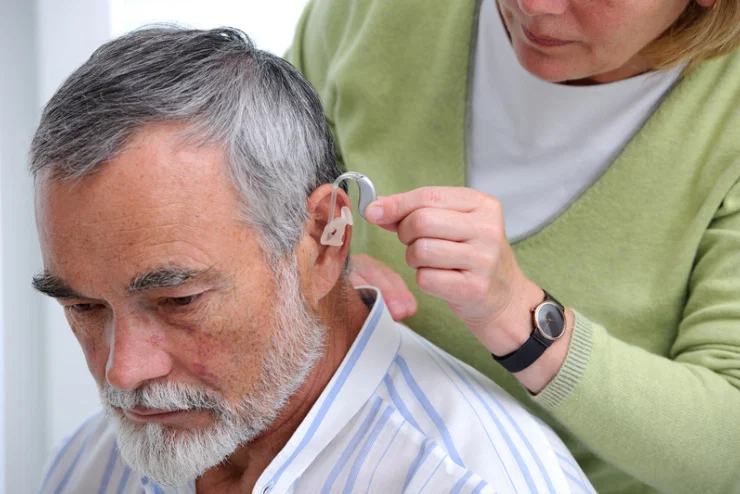
Hearing aids improve quality of life by making speech and everyday sounds easier to hear. This can make conversations less tiring, social occasions more enjoyable and daily routines safer and more independent. They do not restore normal hearing and results vary from person to person, but for many people the difference is significant.
Hearing loss is common. RNID estimates that 18 million adults in the UK are deaf, have hearing loss or tinnitus. Because it usually develops gradually, many people put off getting help. This guide explains five practical ways hearing aids can help and how to take the first step if you live in Stafford or nearby.
How Do Hearing Aids Improve Quality of Life?
1. Improve Communication with Family and Friends
Hearing aids make speech clearer and easier to follow, so you can stay part of conversations at home and when you are out.
Picture a family meal. Several people are talking, plates are clattering and the television is murmuring in the background. Without support, you may catch only fragments and spend the evening guessing. Modern digital hearing aids use tiny microphones and a processor to boost the sounds you struggle hardest to hear. Many also reduce background noise so that speech stands out.
Better communication helps the people around you too. Relatives often notice that they no longer need to repeat themselves or raise their voices. Conversations feel calmer and misunderstandings become less frequent.
Your hearing aids are programmed using the results of your hearing test, so the settings should be personal to you. A careful fitting makes a real difference to how natural speech sounds and small adjustments in the weeks that follow can improve comfort and clarity even further. This is where an audiologist’s experience matters most.
2. Boost Confidence and Reduce Social Isolation
When you can follow what people say, you are more likely to accept invitations and join in.
Untreated hearing loss can make social situations stressful. Some people nod along without understanding or avoid busy places altogether. Over time, the condition can leave them feeling left out, even among people they love.
Using hearing aids can enhance your comfort at family gatherings, clubs, or coffee mornings. Confidence rarely returns overnight and it is normal to need time to adjust. But as listening takes less effort, many people find they are happier to take part again.
Modern hearing aids are also discreet. Styles such as a receiver in a canal, in the ear and invisible hearing aids sit small and comfortably, so appearance need not be a barrier.
3. Make Everyday Activities Easier and Safer
Hearing aids help you notice the sounds that matter, such as the doorbell, a smoke alarm, approaching traffic or someone calling your name.
Think about the small moments in a normal day. Hearing the kettle click off, catching a bus announcement or understanding a quiet instruction at the pharmacy all depend on good access to sound. Being able to hear your surroundings supports awareness and helps you feel more in control.
Phone calls often become easier too. Many hearing aids connect to smartphones by Bluetooth, so calls can stream directly into your ears. That can make appointments, banking calls and chats with grandchildren far less stressful.
At work, hearing aids with strong speech focus can make meetings and group discussions easier to follow, which can reduce the worry of missing an important instruction.
4. Enjoy Television, Music and Entertainment More Clearly
Hearing aids can make dialogue and music clearer, so you can enjoy entertainment without turning the volume up for everyone else.
Many people with hearing loss find that television speech sounds muffled, especially when there is background music. Hearing aids can bring voices into sharper focus and many models connect to televisions and other devices so sound is sent straight to your ears.
Music and nature can also feel different. Some people rediscover details such as birdsong, the rustle of leaves or the sound of a favourite instrument. Music can need extra fine-tuning, so tell your audiologist what you like to listen to. Settings can often be adjusted for different listening situations, such as a quiet evening at home or a lively family gathering.
5. Support Mental Wellbeing and Stay Engaged
Hearing aids can reduce the effort of listening, which may leave you less tired and more willing to stay active.
When hearing is reduced, your brain works harder to fill in the gaps. By the evening, many people feel drained. With the right support, listening can feel easier, which may leave more energy for hobbies, volunteering, classes and time with friends.
It is important to be realistic. Research into hearing loss, mental health and memory is ongoing, but hearing aids are not a treatment for depression or dementia. If you feel low or are worried about your memory, please speak to your GP as well as your audiologist.
Ready to Find the Best Hearing Aids?
Hearing aids from £1,295. Free hearing test. No waiting list.
Book your FREE hearing test at our Stafford clinic or request a home visit across Staffordshire. Get expert advice and personalised hearing aid recommendations from our experienced audiologists.
Call 01785 331560Compare the Best Hearing Aids 2026How to Choose the Right Hearing Aids for Your Lifestyle
The right hearing aids are the ones that suit your hearing test results, daily routine, comfort and budget. There is no single best option for everyone.
Start with a proper hearing test
A full test shows the type and level of your hearing loss. An audiologist uses this to recommend suitable hearing aids and programme them for you. They can also check your ears for wax or other problems that might affect your hearing. If you would like to know what to expect, read our guide to the audiology test.
Match features to your day
Think about where you struggle most. Busy cafés call for strong noise reduction. If you use your phone a lot, Bluetooth may matter. Rechargeable models suit people who prefer not to change tiny batteries, while dexterity and comfort should guide your choice of style.
Plan for aftercare
The first fitting is only the beginning. RNID advises a follow up appointment four to 12 weeks after fitting, when settings can be fine tuned. If you have hearing loss in both ears, ask about two hearing aids, as NICE guidance recognises the benefits.
When Should You Consider Getting Hearing Aids?
Consider hearing aids when hearing difficulties start to affect your daily life, even if they seem mild. Common signs include:
- Asking people to repeat themselves
- Turning the television up louder than others, like
- Struggling to follow conversations in noisy places
- Finding phone calls difficult
- Feeling tired after social events
- Family and friends mentioning your hearing
An earlier hearing test gives you a clear picture and a baseline for the future, and it costs nothing at MI Hearing. Sudden hearing loss is different. If your hearing changes quickly, contact your GP or NHS 111 without delay. Our article on sudden hearing loss explains why.
Find the Right Hearing Aids with MI Hearing
MI Hearing is an independent, family run audiology clinic in Stafford town centre, established in 2012. John Ross, a Registered Hearing Aid Audiologist and Clinical Ear Specialist, works alongside the team. Being independent means advice is based on what suits you, not on a single brand.
The clinic offers:
- Free hearing tests with no obligation to buy
- Hearing aid assessments, fitting and adjustments
- Servicing and repairs for all makes
- Aftercare and regular free check ups
- Ear wax removal
- Home hearing tests and appointments across Staffordshire, Derbyshire, Shropshire, Worcestershire and Cheshire
You can explore hearing aids in Staffordshire, including brands such as Oticon, Phonak, Signia and Starkey, or visit the free hearing test page. If travelling is difficult, ask about a home hearing test.
To book, call 01785 331560 or visit the clinic at Shirehall Business Centre, Market Street, Stafford ST16 2LD, Monday to Friday, 8:30am to 5:00pm.
Book Your Hearing Test in Staffordshire
If you are experiencing hearing difficulties, booking a hearing test is the first step. Our team at Mi Hearing will assess your hearing and help you find the best hearing aids for your needs.
Book Your Free Hearing TestFrequently Asked Questions about Hearing Aids
Yes, for many people. Hearing aids can make communication, social life, television and daily tasks easier. They do not restore normal hearing and the benefit depends on your hearing loss, fitting and how regularly you wear them.
It varies. Hearing Link says it can take up to three months. Wear them regularly, build up gradually and attend follow-up appointments so your audiologist can adjust the settings.
They often help, particularly models with noise reduction and directional microphones. However, busy restaurants remain challenging even for people with good hearing, so expect improvement rather than perfection.
Many people feel more confident because they can follow conversations without straining. Confidence usually builds as you become used to your hearing aids and practise in different situations.
Have them checked at the follow-up appointments after fitting, then regularly as advised by your audiologist. MI Hearing offers regular free check-ups and cleaning and servicing to keep them working well. Most last roughly three to seven years.
Final Thoughts
Hearing aids can bring clearer conversations, greater confidence and an easier everyday routine. The first step is simply finding out where your hearing stands. Book a free hearing test with MI Hearing and take the first step towards better hearing.