
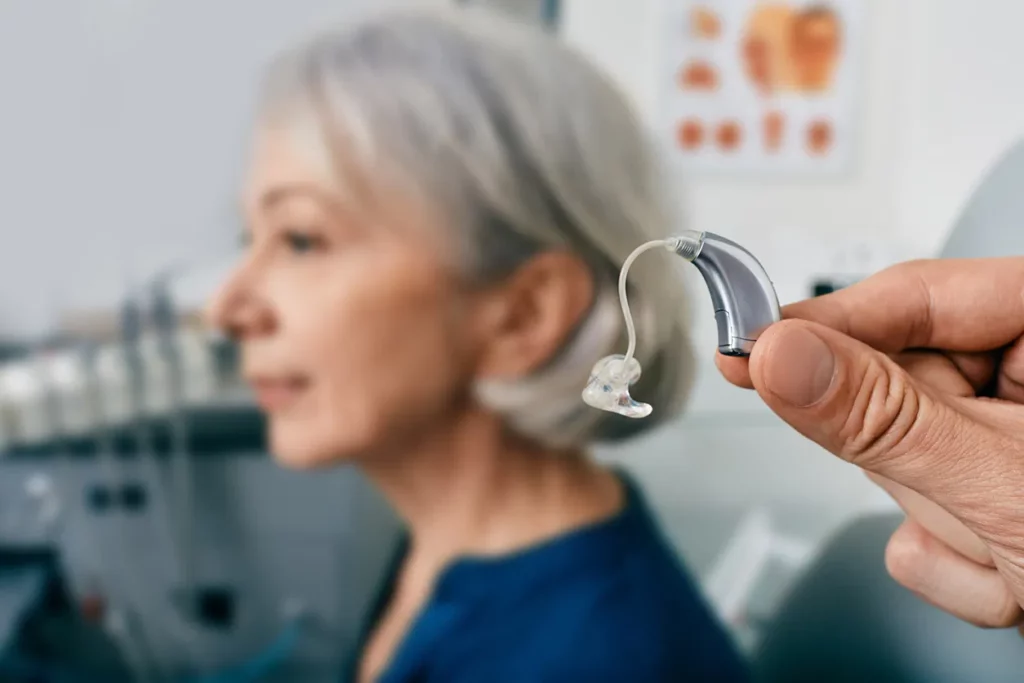
Regular hearing tests are a vital component of maintaining optimal hearing health. They allow for early detection of any changes in your hearing abilities and facilitate timely intervention if necessary.
However, the frequency of hearing tests may vary depending on individual factors such as age, existing hearing conditions, and exposure to noise.
In this blog post, we will explore guidelines to help you determine how often you should schedule a hearing test, ensuring proactive management of your auditory well-being.
Adults with Normal Hearing
For adults with no known hearing loss or hearing-related concerns, it is generally recommended to have a baseline hearing test around the age of 21. Afterwards, the frequency of testing can vary.
As a general rule, it is advisable to have a hearing test every three to five years until the age of 50. From there, it is recommended to have hearing tests every one to three years.
Regular hearing tests establish a benchmark for your hearing abilities and enable the detection of any age-related changes or early signs of hearing loss.
Adults with Known Hearing Loss
If you already have a known hearing loss, the frequency of hearing tests may differ. Initially, it is essential to undergo a comprehensive hearing evaluation to determine the degree and type of your hearing loss.
Based on the results, your audiologist will recommend an appropriate treatment plan and frequency of follow-up tests. In general, individuals with hearing loss should have annual hearing tests to monitor their hearing abilities, assess the effectiveness of their hearing aids or other interventions, and make necessary adjustments as required.
Adults with Occupational Noise Exposure
Occupational noise exposure can significantly impact your hearing health. If your work involves prolonged exposure to high noise levels, such as in construction, manufacturing, or entertainment industries, more frequent hearing tests are advisable.
Depending on local regulations and company policies, employers may conduct periodic hearing screenings or require employees to have annual hearing tests. These tests help identify any early signs of noise-induced hearing loss and allow for timely intervention or adjustments to workplace safety protocols.
Adults with Age-Related Hearing Changes
Age-related hearing loss, known as presbycusis, is a common condition that affects many older adults. As we age, the delicate structures within the ear may experience natural wear and tear, leading to reduced hearing acuity.
If you are 60 years or older, it is recommended to have regular hearing tests to monitor your hearing health. Annual or biennial hearing tests can help identify age-related changes and guide appropriate intervention, such as hearing aids or assistive listening devices, to address any hearing difficulties.
Children and Adolescents
For children and adolescents, hearing tests are essential for monitoring their auditory development and identifying any hearing-related issues early on. Newborns are typically screened for hearing loss shortly after birth.
Additional hearing tests may be conducted at specific milestones during childhood, such as before entering school or if concerns arise regarding speech and language development.
Regular hearing tests are crucial for identifying and addressing hearing loss or conditions like otitis media that may impact a child\’s overall development and academic performance.
The frequency of hearing tests depends on various factors such as age, existing hearing conditions, and exposure to noise. While adults with normal hearing may have tests every three to five years until the age of 50, those with known hearing loss or occupational noise exposure may require more frequent testing.
Individuals with age-related hearing changes or children and adolescents also benefit from regular hearing tests to ensure early detection and appropriate management.
Consulting with an audiologist can provide personalised recommendations and help establish an appropriate hearing test schedule for your specific needs.
Prioritising regular hearing tests is a proactive step toward preserving your auditory well-being and maintaining a high quality of life.
Get in touch with Hear365 to discuss how we can help with your hearing.